Colorectal Cancer is Preventable: What You Need to Know About Screening

test

Screening remains the #1 way to prevent colorectal cancer—yet millions of people skip it. Are you one of them? Keep reading to learn why screening matters and how you can take action today.

What is Colorectal Cancer and Why Should You Care?

Colorectal cancer is the second-leading cause of cancer deaths in the U.S. However, it is also one of the most preventable types of cancer. In 2024 alone, experts estimate that 152,810 people will receive a colorectal cancer diagnosis, and sadly, 53,010 will lose their lives to the disease. The good news? Early detection through screening can prevent many of these deaths.

When doctors catch colorectal cancer early, the five-year survival rate reaches 91%. Yet, 1 in 3 eligible adults do not get screened. This alarming gap in screening rates makes it clear—more people need to take action.

When Should You Start Screening?

  • Age 45 – Routine screening should begin for people at average risk.
  • Earlier if you have a family history – A first-degree relative (parent, sibling, or child) with colorectal cancer increases your risk by 2-4 times. Talk to your doctor about screening at a younger age.
  • Myth: “I feel fine, so I don’t need to be screened.”
  • Fact: Colorectal cancer often develops silently. Symptoms usually don’t appear until the disease has already progressed. That’s why screening is so important—it detects cancer early, even before symptoms start.

What Are Your Screening Options?

There are several effective ways to get screened. Each has its own benefits. Understanding your options can help you choose the best method for your needs.

  • Colonoscopy (Gold standard, every 10 years) – Not only does this test detect cancer, but it also removes pre-cancerous polyps before they become dangerous.
  • FIT (Fecal Immunochemical Test) (Yearly) – This simple at-home stool test detects hidden blood, which can be an early sign of cancer.
  • Cologuard (DNA Stool Test) (Every 3 years) – This test detects both blood and DNA changes linked to colorectal cancer.

Each screening method has pros and cons. That’s why it’s important to talk to your doctor about which option is right for you.

How Many Lives Could Be Saved?

If everyone eligible for screening got tested, colorectal cancer deaths could drop by 68%, according to the CDC. This simple step could save thousands of lives—including yours or someone you love.

Take Action Today: Your Health Matters!

Don’t wait. Talk to your doctor today about your screening options!

  • Get a free screening recommendation based on your personal risk factors: quiz.getscreened.org
  • Encourage a loved one to schedule their screening.
  • Follow us for more health tips and reminders!

📢 Spread the word: Share this post to help others take charge of their health!

Healthy Eating for a Happy Heart

Stress is a part of life, but how you respond to it can make a big difference to your heart health. Choosing heart-healthy foods can help. When stress levels rise, many people eat more, often choosing comfort foods that are not healthy. This can be bad for your body, especially your heart. So, it’s wise to eat more nourishing foods, which can improve heart health and help with weight management.

If you’re unsure where to begin, the National Heart, Lung, and Blood Institute (NHLBI) offers valuable resources.

“We have many recipes for healthy and delicious dishes, plus an award-winning eating plan called Dietary Approaches to Stop Hypertension, or DASH for short,” said Charlotte Pratt, Ph.D., M.S., R.D., a nutrition expert at NHLBI. For years, the DASH eating plan has been ranked among the U.S. News & World Reports’ best diets for healthy living and heart health. Its success lies in “eating nutrient-dense foods and meals that are lower in sodium and saturated fat, rich in fruits, vegetables, low-fat dairy, and legumes,” said Pratt.

Healthy Eating for Heart Health

NHLBI has developed recipes that support the DASH plan, featuring healthy versions of comfort foods like oven-baked french fries, chicken chili stew, and sweet potato custard. These recipes are easy to prepare and family-friendly, including traditional dishes from African American, American Indian/Alaska Native, Vietnamese, Hispanic/Latino, and Filipino cuisines. You can find these recipes, along with tips on safe cooking, kitchen stocking, and food shopping at healthyeating.nhlbi.nih.gov.

“The DASH eating plan is scientifically proven to lower your blood pressure and cholesterol levels,” said Pratt. Additionally, NHLBI research indicates that combining DASH with increased physical activity and calorie monitoring can aid in weight loss.

Healthy Eating for Heart Health

DASH does not require special foods and helps you set daily and weekly nutritional goals using these guidelines:

  • Eat vegetables, fruits, and whole grains.
  • Include fat-free or low-fat dairy products, fish, poultry, beans, nuts, and vegetable oils.
  • Limit foods high in saturated fat, like fatty meats, full-fat dairy products, and tropical oils like coconut, palm kernel, and palm oils.
  • Limit sugar-sweetened beverages and desserts.

To make DASH a sustainable lifestyle choice, consider these tips:

  • Change gradually. Add one more serving of vegetables each day. Read nutrition labels to select foods with the lowest saturated fat, sodium, or added sugar.
  • Vary protein sources. Try a mix of lean meats, remove the skin from chicken, eat fish once or twice a week, and have two or more meatless meals each week.
  • Choose healthy, tasty snacks. Opt for fruit, unsalted snacks like rice cakes, fat-free or low-fat yogurt, or raw vegetables with a low-fat dip.
  • Find substitutes. Use whole-wheat bread or brown rice instead of white bread or white rice. If you’re allergic to nuts, try beans or seeds like flax or sunflower seeds.
  • Follow the U.S. Dietary Guidelines recommendations.

Try this Recipe for Heart Healthy French Fries

Delicious Oven-Baked French Fries

Baking instead of frying these potatoes reduces the fat while keeping them crispy.

Prep time: 10 minutes
Cook time: 35 minutes

Makes 5 servings. Serving size: 1 cup.

Ingredients

  • 4 large potatoes (2 lbs.) (regular or sweet potatoes)
  • 8 C ice water
  • 1 tsp garlic powder
  • 1 tsp onion powder
  • ¼ tsp salt
  • 1 tsp white pepper
  • ¼ tsp allspice
  • 1 tsp hot pepper flakes 1 Tbsp vegetable oil

Directions

  1. Scrub potatoes and cut them into long ½-inch strips. Place the strips in the ice water, cover and chill for 1 hour or longer.
  2. Remove potato strips and dry them thoroughly. Preheat oven to 475°F.
  3. Place garlic powder, onion powder, salt, white pepper, allspice and pepper flakes in a plastic bag. Toss the potato strips in the spice mixture.
  4. Put the potato strips in a shallow baking pan and brush them with oil.
  5. Cover the baking pan with aluminum foil and bake at 475°F for 15 minutes.
  6. Remove the foil and continue baking, uncovered, for an additional 15 to 20 minutes or until golden brown. Turn fries occasionally to brown on all sides.

Learn More and Get Help

Combining healthy eating with other self-care activities can help reduce stress and protect your heart. Key activities include moving more throughout the day, getting 7 to 9 hours of sleep, and practicing relaxation techniques like meditation or yoga. If you smoke, consider quitting, and build a strong social support system to stay motivated. Learn more about DASH, heart health, and additional resources at www.nhlbi.nih.gov.

Talk to a member of your care team for more information.

Transform Your Heart Health with Simple Self-Care

Taking a little time each day to care for yourself can do wonders for your heart. Simple heart health self-care, like de-stressing, moving more, eating healthier, and getting enough sleep, can all benefit your heart.

Heart disease is largely preventable, and focusing on heart health is more important than ever. It’s a leading cause of death for women and men in the U.S., and many people are at risk. But studies show that self-care routines, like daily walks and keeping doctor’s appointments, help keep blood pressure, sugar, and cholesterol levels in check, reducing the risk of heart disease and stroke.

It’s easier than you think to “put your heart” into your daily routine. Each Sunday, look at your week’s schedule and carve out 30 minutes daily for heart-healthy practices. Take a yoga class, prepare a heart-healthy recipe, schedule your bedtime to get at least seven hours of sleep, or make a medication checklist. Seek support from others, even if it’s online or via a phone call, to help you stick to your goals.

Simple heart health self-care, like de-stressing, moving more, eating healthier, and getting enough sleep, can all benefit your heart.

Heart Health Self-Care Tips

Here are a few self-care tips to try every day to make your heart a priority:

Self-Care Sunday

Find a moment of serenity every Sunday. Spend some quality time on yourself.

Mindful Monday

Be mindful about your health. Regularly monitor your blood pressure or blood sugar if needed. Keep an eye on your weight to make sure it stays within a healthy range.

Tasty Tuesday

Choose how you want to eat healthier. Start small by adding fresh herbs or spices as a salt substitute. Try a new heart-healthy recipe or the DASH eating plan, which lowers blood pressure.

Wellness Wednesday

Don’t waffle on your wellness. Move more, try a new fruit or vegetable, make a plan to quit smoking or vaping, or learn the signs of a heart attack or stroke.

Treat Yourself Thursday

Treats can be healthy. Make a dessert with fresh fruit and yogurt. Host a family dance party, meditate, go for a walk, or watch a funny show. Laughter is healthy.

Follow Friday

Follow inspiring people on social media or text a friend to help you stick to your self-care goals. Take care of your mental health, too. If your mental health gets in the way, reach out to family, friends, or a mental health provider.

Selfie Saturday

Inspire others to take care of their hearts. Share your self-care routine with loved ones or post a selfie on social media. Social support makes it easier to stay active, eat nutritious foods, reach a healthy weight, and quit smoking.

Learn More and Get Help

Learn how to stress less for a healthier heart and more about heart health from the National Heart, Lung, and Blood Institute by visiting www.nhlbi.nih.gov. If you need help finding additional resources to cope with stress, talk to a member of your care team. Seek urgent care if you can’t cope at all or have suicidal thoughts. Resources are also available at nimh.nih.gov/health/find-help.

Stress is a part of life, whether it’s from everyday deadlines, financial struggles, or balancing work and family. Your body reacts to stress: your heart rate increases, your blood vessels narrow, and over time, these small blows can add up and harm your health, especially your heart. Chronic stress can lead to high blood pressure, heart disease, diabetes, obesity, and poor sleep. Even other parts of your body, like your lungs and gut, can be affected.

How Stress Affects Your Heart

When you’re stressed, your body goes into “fight or flight” mode: your muscles tense, your heart rate increases, and your brain becomes more alert. But your body also has a built-in relaxation response. When triggered, your breathing and heart rate slow down, and your blood pressure decreases.

Techniques to Reduce Stress

You can learn to trigger this relaxation response with practice. Try these techniques on your own or find a teacher or class to help you get started. Don’t get discouraged if you don’t get the hang of it quickly. If one approach doesn’t work for you, try something new. There are many ways to de-stress.

Meditation

Meditation helps you stay focused on the present instead of worrying about the past or future. Find a quiet place with few distractions. Get comfortable by sitting, lying, or walking. Focus on a word, object, or your breathing. Let distractions, including thoughts, come and go without judgment.

Progressive Muscle Relaxation

First, tense your muscles for a few seconds, then relax them. Start with your toes, then your calves, and work your way up to your face. Do one muscle group at a time.

Deep Breathing

Take a slow, deep breath, let your stomach or chest expand, and then exhale slowly. Repeat a few times. Deep breathing is relaxing and can be done anytime, anywhere.

Guided Imagery

Relax and visualize a calm, peaceful setting, like a garden. Imagine the details of this place to help you feel more relaxed.

Other Ways to Manage Stress

Getting your mind and body to a place of calm doesn’t always mean being still. Other healthy ways to manage stress include:

  • Taking a yoga or tai chi class
  • Talking to a professional counselor
  • Joining a stress management program or an art class
  • Meeting up with friends for a brisk walk
  • Spending time in nature

Combine Stress Reduction with Healthy Habits

Combining stress reduction techniques with other healthy habits can strengthen your heart. Eat more veggies, fruits, and whole grains, and less sodium, sugar, and saturated fats. Move your body more, like through dancing and walking meetings. Find exercises you love and do them regularly. Get enough good, quality sleep. Develop a strong social support system. Rethink some of the familiar ways you may be coping with stress, such as drinking alcohol frequently, using drugs, smoking, or overeating. These can actually worsen your stress and health.

Learn More and Get Help

Learn how to stress less for a healthier heart and more about heart health from the National Heart, Lung, and Blood Institute by visiting www.nhlbi.nih.gov. If you need help finding additional resources to cope with stress, talk to a member of your care team. Seek urgent care if you can’t cope at all or have suicidal thoughts. Resources are also available at nimh.nih.gov/health/find-help.

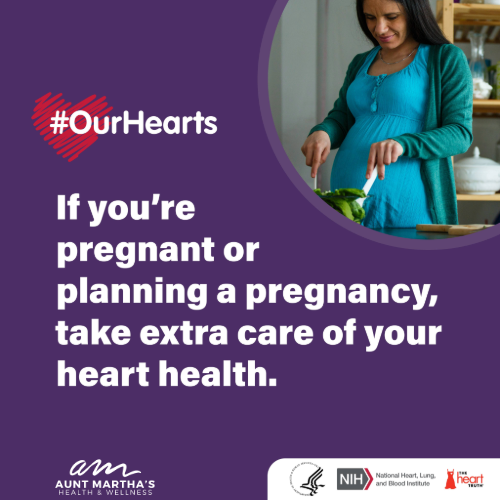
Heart disease is the top cause of death for men and women in the U.S. Many adults, especially in our community, have risk factors like diabetes, high blood pressure, high cholesterol, smoking, or being overweight. Having more than one risk factor increases your risk of heart disease. The good news is that we can do a lot to prevent it. Here are some heart health tips to help you.

Connecting with Others is Good for Your Heart

Research shows that people with close relationships at home, work, or in their community tend to be healthier and live longer. One reason, according to the National Heart, Lung, and Blood Institute (NHLBI), is that we’re more successful at meeting our health goals when we work on them with others.

Feeling connected with others and having positive, close relationships benefit our overall health, including our blood pressure and weight. Having people in our lives who motivate and care for us helps, as do feelings of closeness and companionship.

Not sure Who to talk to first?

If you don’t know where to start, a conversation with your care team at your medical home can be a great place to start. Schedule an appointment and ask your primary care provider for advice.

Heart Health Lifestyle Tips

Here are some facts, how-to tips, and resources to inspire you to join with others, even if you can’t be physically together, to improve your heart health.

Follow these lifestyle tips to protect your heart.

  • Be more physically active.
  • Maintain a healthy weight.
  • Eat a nutritious diet.
  • Quit smoking.
  • Manage stress.
  • Get 7-9 hours of quality sleep.
  • Track your blood pressure, cholesterol, and blood sugar numbers.
Join with others, even if you can’t be physically together, to improve your heart health.

You don’t have to make big changes all at once. Small steps will get you where you want to go.

Move More for Heart Health

Invite family, friends, colleagues, or members of your community to join you in your efforts to be more physically active:

  • Ask a colleague to walk “with you” regularly, put the date on both your calendars, and text or call to make sure you both get out for a walk.
  • Get a friend or family member to sign up for the same online exercise class, such as a dance class. Make it a regular date!
  • Grab your kids, put on music, and do jumping jacks, skip rope, or dance in your living room or yard.

How much is enough?

Aim for at least 2½ hours of physical activity eachweek — that’s just 30 minutes a day, 5 days a week. In addition, do muscle-strengthening exercises 2 days a week. Can’t carve out a lot of time in your day? Try doing 10 minutes of physical activity at least three times a day. NHLBI’s Move More fact sheet has ideas to get and keep you moving.

Aim for a Healthy Weight

Find someone in your friend group, at work, or in your family who also wants to reach or maintain a healthy weight. (If you’re overweight, even a small weight loss of 5–10 percent helps your health.) Check-in with them regularly to stay motivated. Agree to do healthy activities, like walking or cooking a healthy meal, at the same time, even if you can’t be together. Share low-calorie, low-sodium recipes. Check out NHLBI’s Are You at Healthy Weight? fact sheet.

Eat Heart-Healthy

We tend to eat like our friends and family, so ask others close to you to join in your effort to eat healthier. Follow NHLBI’s Dietary Approaches to Stop Hypertension (DASH) eating plan. Research shows that, compared to a typical American diet, it lowers high blood pressure and improves cholesterol levels. Find delicious recipes at NHLBI’s Heart-Healthy Eating webpage.

Quit Smoking

To help you quit, ask others for support or join an online support group. Research shows that people are much more likely to quit if their spouse, friend, or sibling does. Social support online can help you quit. All states have quit lines with trained counselors — call 1-800-QUIT-NOW (1-800-784-8669). You’ll find many free resources to help you quit, such as apps, a motivational text service, and a chat line at BeTobaccoFree.hhs.gov and Smokefree.gov.

If you need extra motivation to quit, consider those around you: Breathing other people’s smoke, called secondhand smoke, is dangerous. Many adult nonsmokers die of stroke, heart disease, and lung cancer caused by secondhand smoke.

Manage Stress for Heart Health

Managing stress helps your heart health. Set goals with a friend or family member to do a relaxing activity every day, like walking, yoga, or meditation, or participate in an online stress-management program together. Physical activity also helps reduce stress. Talk to a qualified mental health provider or someone else you trust.

Improve Sleep for a Healthier Heart

Sleeping 7–9 hours a night helps to improve heart health. De-stressing will help you sleep, as does getting a 30-minute daily dose of sunlight. Take a walk instead of a late afternoon nap! Family members and friends: remind each other to turn off the screen and stick to a regular bedtime. Instead of looking at your phone or the TV before bed, relax by listening to music, reading, or taking a bath.

Track your Heart Health Numbers, Together

Keeping a log of your blood pressure, weight goals, physical activity, and, if you have diabetes, your blood sugar will help you stay on a heart-healthy track. Ask your friends or family to join you in the effort. Check out NHLBI’s My Heart Health Tracker.

Visit www.hearttruth.gov for more information about heart health.

Health Insurance for Immigrants

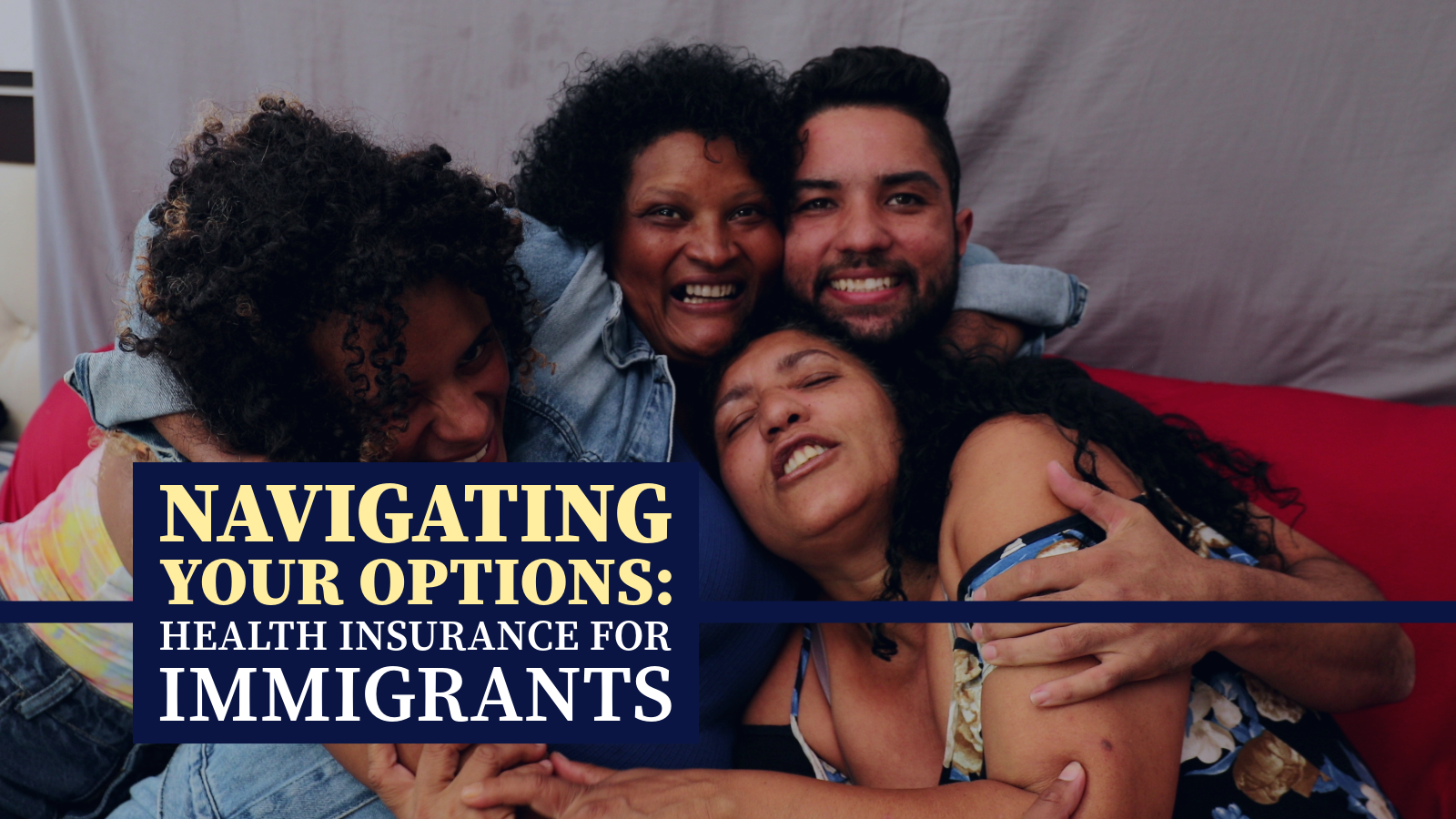
Navigating health insurance as an immigrant can be challenging, but there are several options available to ensure you and your family are covered. This guide will help you understand your choices, how to access affordable health insurance, and where to find help if you need it.

Special Enrollment Period (SEP)

If you missed the open enrollment period, you might still qualify for a Special Enrollment Period (SEP) due to certain life events. These events include:

  • Losing Job-Based Health Coverage
  • Losing Medicaid or CHIP Coverage
  • Becoming a U.S. Citizen
  • Moving to a New Area
  • Moving to a New ZIP Code or County
  • Leaving Incarceration

If you qualify for an SEP, you usually have up to 60 days following the event to enroll in a plan. Visit Healthcare.gov to see if you qualify and to apply for coverage.

Health Benefits for Immigrant Seniors and Adults

Due to changes in eligibility policy, some immigrants may no longer qualify for Health Benefits for Immigrant Adults (HBIA) or Health Benefits for Immigrant Seniors (HBIS).

If you are a lawful permanent resident (green card holder) who has been in the U.S. for less than five years, you may be eligible for subsidies on the federal health insurance marketplace.

Medicaid and CHIP

Low-income immigrants may qualify for Medicaid or the Children’s Health Insurance Program (CHIP). These programs offer free or low-cost coverage and you can apply anytime. Eligibility varies by state, so check your state’s specific requirements.

Community Health Centers

Community health centers – like Aunt Martha’s – offer low-cost or sliding-scale fee services to individuals without health insurance. These centers provide a range of services, including primary care, dental care, and mental health services. Find a community health center near you by visiting the Health Resources and Services Administration (HRSA) website.

Even if you missed the open enrollment period, there are still several options available to ensure you have health coverage. Explore these alternatives and choose the one that best fits your needs. Remember, having health insurance is crucial for protecting your health and financial well-being.

Help with Health Insurance for Immigrants and their Families

Navigating health insurance as an immigrant can be complex, but there are resources and options available to help you get covered. Explore these alternatives and choose the one that best fits your needs.

Call to talk to one of our Enrollment Assisters, or visit our Health Insurance Resources page to get started.

Affordable Health Insurance Options After Open Enrollment

Missed the open enrollment deadline? Don’t worry! Affordable health insurance options are still available to you. This guide will help you understand your choices and how to get covered even after the open enrollment period has ended.

Special Enrollment Period (SEP)

If you missed the open enrollment period, you might still qualify for a Special Enrollment Period (SEP) due to certain life events. These events include:

  • Losing Job-Based Health Coverage
  • Losing Medicaid or CHIP Coverage
  • Getting Married or Divorced
  • Having a Baby or Adopting a Child
  • Moving to a New ZIP Code or County
  • Turning 26 and Losing Coverage Under Your Parents’ Plan

If you qualify for an SEP, you usually have up to 60 days following the event to enroll in a plan. Visit Healthcare.gov to see if you qualify and to apply for coverage.

Medicaid and CHIP

If your income is low, you might be eligible for Medicaid or the Children’s Health Insurance Program (CHIP). These programs provide free or low-cost health coverage to millions of Americans, including some low-income adults, families and children, pregnant women, the elderly, and people with disabilities. You can apply for Medicaid or CHIP at any time of the year.

Short-Term Health Plans

Short-term health plans are another option if you need temporary coverage. These plans are designed to provide coverage for a limited period, usually up to 12 months. While they may not cover all the benefits of a standard health insurance plan, they can be a good option if you need immediate coverage.

Community Health Centers

Community health centers – like Aunt Martha’s – offer low-cost or sliding-scale fee services to individuals without health insurance. These centers provide a range of services, including primary care, dental care, and mental health services. Find a community health center near you by visiting the Health Resources and Services Administration (HRSA) website.

Even if you missed the open enrollment period, there are still several options available to ensure you have health coverage. Explore these alternatives and choose the one that best fits your needs. Remember, having health insurance is crucial for protecting your health and financial well-being.

Yes, you can find affordable health insurance after open enrollment!

Don’t wait—find affordable health insurance or apply for Medicaid or CHIP. Aunt Martha’s Health and Wellness can help you with the process.

Call to talk to one of our Enrollment Assisters, or visit our Health Insurance Resources page to get started.

2025 Guide - How to find affordable health insurance on the marketplace

Affordable Health Insurance on the Marketplace

Finding Affordable Health Insurance on the Marketplace can be tough, but don’t worry.

The Health Insurance Marketplace offers many options to help you get the coverage you need at a price you can afford.

Low-Cost Options are Available

The Health Insurance Marketplace helps everyone find affordable health insurance, regardless of income level. If you don’t have insurance through work or need a cheaper plan, the Marketplace has options for you.

Subsidies to Lower Costs:

  • Premium Tax Credits: If your income is between 100% and 400% of the Federal Poverty Level (FPL), you can get help paying for your plan.
  • Cost-Sharing Reductions (CSRs): If you qualify for a Silver plan and your income is between 100% and 250% of the FPL, you can get help with costs like deductibles and copayments.

Tip: Use the Marketplace’s subsidy calculator to see how much help you can get.

Free Health Insurance: Medicaid and CHIP

If you have a low income, you might qualify for Medicaid, which offers free or low-cost health coverage. CHIP is for families with children who don’t qualify for Medicaid but can’t afford private insurance.

Medicaid Eligibility:

  • Low-income adults
  • Pregnant women
  • Children under 19
  • Seniors
  • People with disabilities

CHIP Eligibility:

  • Children up to age 19 in families with too much income for Medicaid but not enough for private insurance
  • Includes doctor visits, immunizations, prescriptions, and hospital care

Tip: You can apply for Medicaid and CHIP any time of the year.

Affordable Health Plans for Specific Groups

  1. Pregnant Women:
    • Medicaid and CHIP can cover prenatal visits, labor, and delivery.
    • Many Marketplace plans also cover maternity care.
    • Tip: Apply for coverage as soon as possible if you are pregnant or planning to become pregnant.
  2. Young Adults (Under 26):
    • You can stay on your parent’s plan or get your own through the Marketplace.
    • You may qualify for subsidies to lower your premiums.
    • Tip: Apply during open enrollment to avoid gaps in coverage.
  3. Undocumented Immigrants:
    • Not eligible for Marketplace plans or subsidies, but may qualify for Medicaid in some states.
    • In Illinois, some undocumented individuals may get Medicaid, especially if pregnant or under 19.
    • Tip: Check local resources for other state-funded programs.

How to Apply for Affordable or Free Health Plans

  1. Visit HealthCare.gov and create an account.
  2. Fill out the application with your household and income information.
  3. Compare plans to find the best fit.
  4. Apply for Medicaid or CHIP if you qualify.

Get Help with Your Enrollment

Don’t wait—find affordable health insurance or apply for Medicaid or CHIP. Aunt Martha’s Health and Wellness can help you with the process.

Call to talk to one of our Enrollment Assisters, or visit our Health Insurance Resources page to get started.

Remember, open enrollment runs until January 15, 2025.

A simple guide to help you enroll in health insurance on the marketplace

Confused about how to enroll in health insurance on the Marketplace? Don’t worry, you’re not alone. Navigating the Health Insurance Marketplace can be overwhelming, especially if it’s your first time. But fear not! We’re here to guide you through the process with simple steps and clear explanations.

Whether you’re a first-time enrollee or need to update your current plan, this guide will walk you through the entire process. From creating an account to selecting a plan, we’ll make sure you have the information you need to make informed decisions about your health coverage.

First, you need to create an account on the Health Insurance Marketplace website. This is where you’ll apply for coverage, compare plans, and get help.

How to Create Your Account:

  1. Go to HealthCare.gov.
  2. Click on “Create Account.”
  3. Enter your personal information.

After creating your account, you can start your application and use the tools to help you find a plan.

Tip: Write down your username and password. You’ll need them to log in and check your application, compare plans, and make updates.

Next, fill out your application. You’ll need to provide information about your household, income, and any current health coverage. This helps the Marketplace find the best plans and financial help for you.

What You Need to Provide:

  • Personal Information: Your address, household size, and income details (like pay stubs or tax returns).
  • Income Details: Report your income and anyone in your household who works. This helps determine if you qualify for financial help.
  • Current Health Coverage: If you have health insurance (like from a job or Medicaid), provide those details.

Tip: Be honest about your income and household size. Incorrect information can delay your application or cause errors.

After filling out your application, you can see the health insurance plans available to you. The Marketplace offers plans in different levels called “metal tiers” (Bronze, Silver, Gold, and Platinum). Each level has different costs and coverage.

About Plan Tiers:

  • Bronze: Lowest monthly cost but higher out-of-pocket costs. Good if you don’t need much medical care.
  • Silver: Moderate monthly cost and out-of-pocket costs. Good balance between cost and coverage.
  • Gold: Higher monthly cost but lower out-of-pocket costs. Good if you need frequent medical care.
  • Platinum: Highest monthly cost but lowest out-of-pocket costs. Best coverage for those who need a lot of medical services.

Tip: Think about your health needs when choosing a plan. If you’re healthy and don’t need many doctor visits, Bronze or Silver might be best. If you need more care, Gold or Platinum might be better.

One big benefit of the Marketplace is financial help. Depending on your income and family size, you might get help to lower your monthly costs or qualify for Medicaid, which is free or low-cost health coverage.

To see if you qualify:

  • The Marketplace will check if you can get help based on your income and household information.
  • If your income is low, you might qualify for Medicaid.

Tip: Review all financial help options carefully. This can save you a lot of money.

After picking a plan and applying for financial help, submit your application. You’ll get a confirmation with your coverage details, premium amount, and start date.

You should receive your confirmation within a few days, along with your first payment due date. Make sure to pay on time to start your coverage without delays.

Tip: Keep a record of your confirmation and first payment receipt. You might need them later.

Ready to Enroll in Health Insurance on the Marketplace?

Applying for health insurance can be tricky, but you don’t have to do it alone. Aunt Martha’s Enrollment Team can help you:

  • Create your account
  • Complete your application
  • Compare plans
  • Apply for Medicaid or financial help

Enrolling in a health insurance plan through the Health Insurance Marketplace is easy when you follow these steps. By using this guide, you can find a plan that fits your budget and get the care you need.

Remember: Open Enrollment ends on January 15, 2025. Don’t wait! Start today and get the health coverage you need. Let Aunt Martha’s help you get enrolled and stay covered.

Key Dates in the 2025 Health Insurance Marketplace Open Enrollment Period

Health Insurance Sign-Up

Important Dates on the Marketplace Open Enrollment Calendar

The Health Insurance Marketplace helps you find affordable health coverage. But you need to hurry! The sign-up time is short, so act fast to get your insurance for 2025.

Don’t go without coverage or financial help. Here are the key dates and tips to help you sign up.

When to Sign Up

The Open Enrollment period for 2025 starts on November 1, 2024, and ends on January 15, 2025. This is your only chance to get a health plan for the year unless you have a big life change.

If you miss this deadline, you might not have health coverage until next year. So, mark your calendar and sign up before January 15, 2025!

What If You Miss the Deadline?

If you miss signing up by January 15, 2025, you can’t get a plan until the next period in fall 2025. This means no coverage for a year.

But if you sign up before the deadline, you can avoid this problem. You might also qualify for a Special Enrollment if you have life changes like losing a job or moving.

Important Dates to Remember

  • November 1, 2024: Sign-up starts.
  • December 15, 2024: Last day to sign up for coverage starting January 1, 2025.
  • January 15, 2025: Last day to sign up.

How to Get Ready

Here are some tips to help you prepare:

  • Gather Documents: Have proof of income, Social Security numbers, and household info ready.
  • Review Needs: Think about what coverage you need, like for prescriptions or mental health.
  • Know Your Budget: Decide how much you can pay each month.
  • Get Help: Aunt Martha’s Enrollment Assisters can walk you through the process.

Sign up by December 15th for coverage to start on January 1, 2025!

Need help? Call Aunt Martha’s.

Act today!

Don’t wait—sign up before January 15th to make sure you have health coverage. Aunt Martha’s can help you.

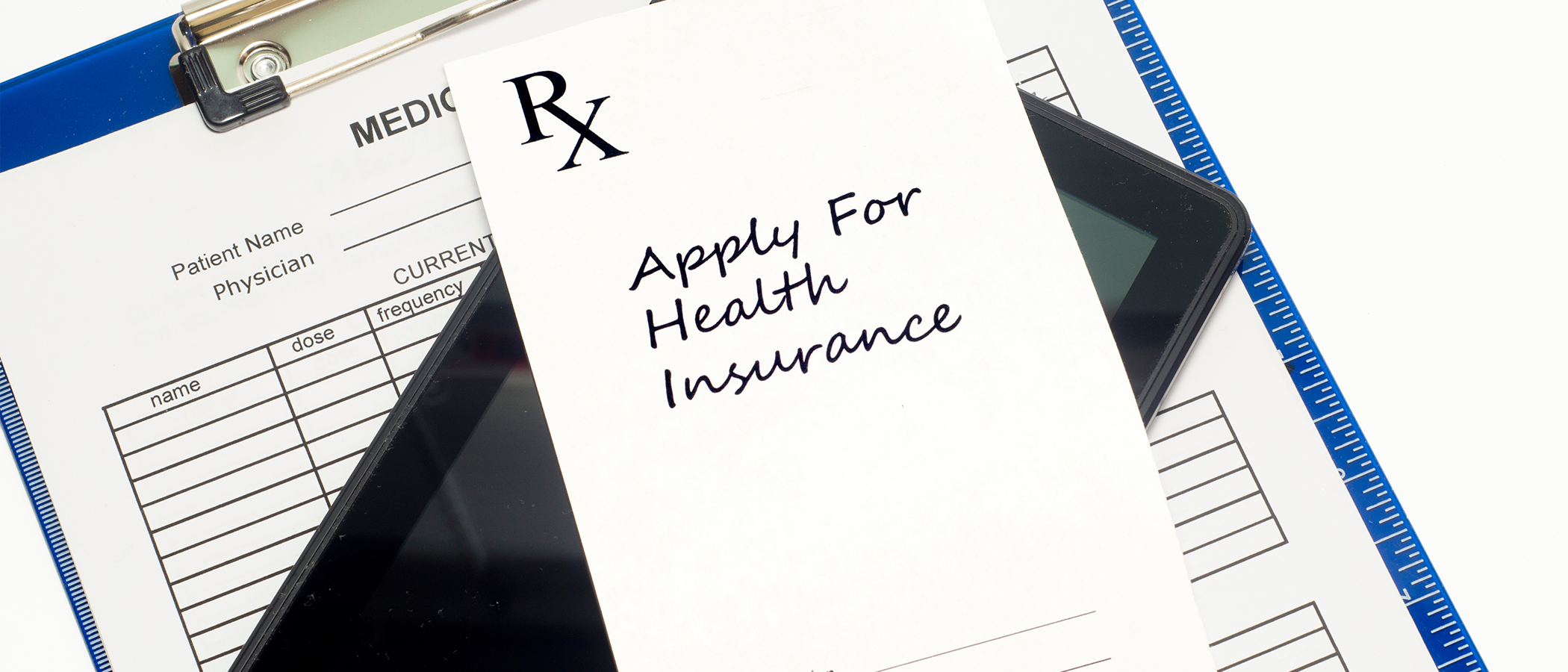
Graphic bringing attention to help for people who need health insurance during the marketplace open enrollment period.

More ways Aunt Martha’s can help.

Schedule Your Appointment Today